The video for BOSC (The wood) is still held back, for now.
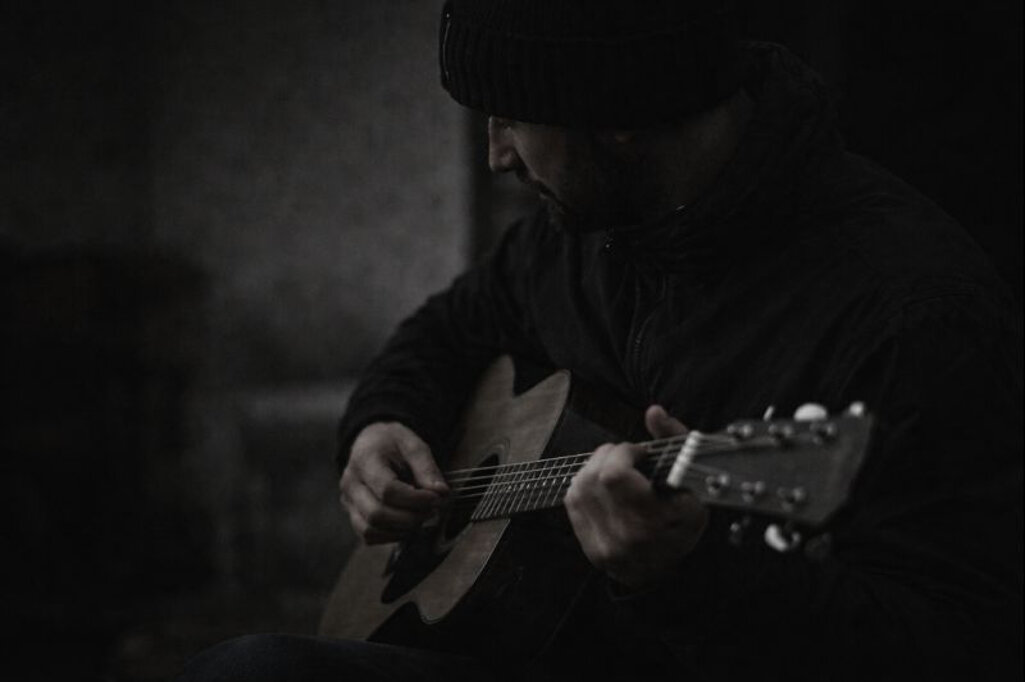
GORKI


GORKI

GORKI
par cumò
His songs are short stories of memory and simple life, tied to a past world that reemerges through silences, gestures, and recollections.
Music and images intertwine in melancholic, essential stories — an archive of songs and visions devoted to a land listened to slowly.
Gorki arrived in Italy many years ago, settled in Friuli, learned the Friulian language, and chose it as the language to sing what does not fade.
par cumò
Par cumò marks the first chapter of Gorki’s work.
It is a collection of songs born over time, without haste, shaped by memory
rather than intention.
Written in Friulian, a minority Neo-Latin language spoken in
north-eastern Italy, the songs trace small fragments of life:
everyday gestures, waiting, absences, and inner landscapes.
The lyrics are sparse and measured, allowing silence
to exist alongside words, while the music follows a slow, intimate pace.
Each song is conceived as both sound and image. In Par cumò, music and vision coexist, transforming the songs into visual narratives — fleeting fragments of memory that emerge and recede.
This is not a record driven by progress or direction.
It is a work that remains, that pauses, and that attempts to preserve
something fragile before it disappears.
The title Par cumò means “for now” — a phrase spoken softly, as if that were enough.

Spietant
The video for SPIETANT (Waiting)
is still held back, for now
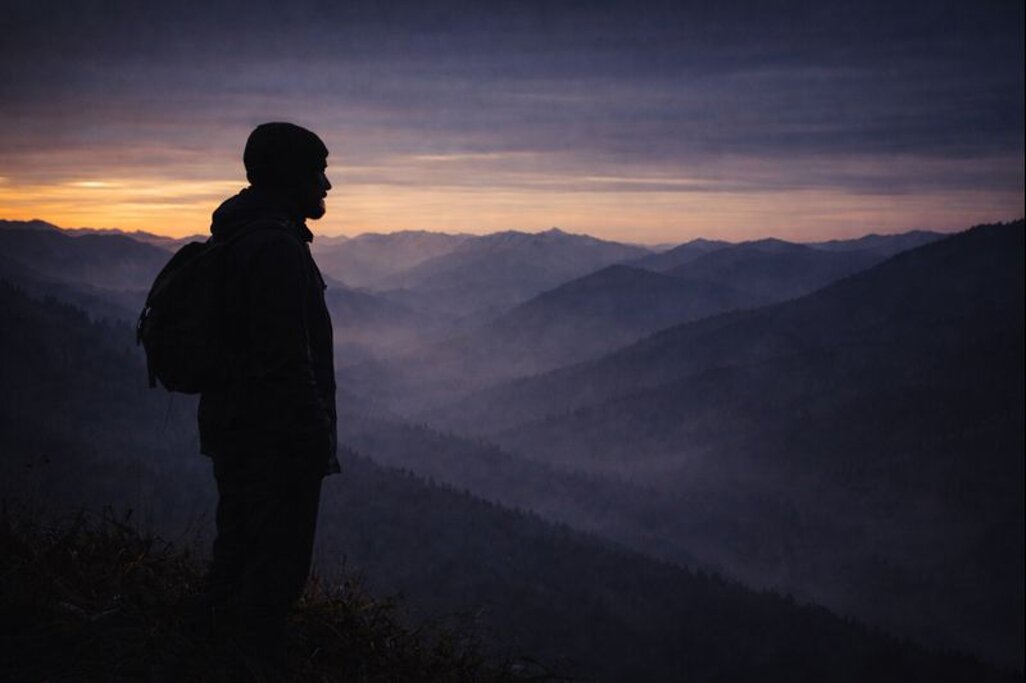
La machine blu
The video for LA MACHINE BLU (Blue car)
is still held back, for now

Bosc
The video for BOSC (The wood)
is still held back, for now